Abbey Wood station rubbish collection guide SE2
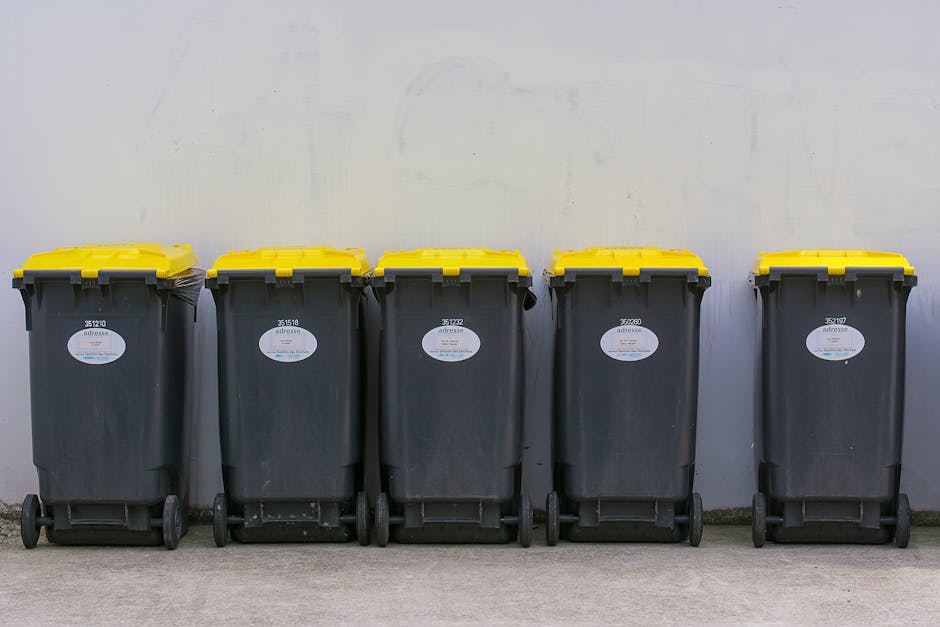
If you're trying to sort out waste near Abbey Wood station, you probably want one thing above all: a simple, reliable way to get rid of rubbish without creating more hassle than the mess itself. This Abbey Wood station rubbish collection guide SE2 explains how local rubbish collection works, what options make sense for different loads, and how to avoid common problems like missed collections, access issues, and avoidable costs. Whether you're clearing a flat, dealing with builder's waste, or just tired of a pile building up by the door, the right approach can save a lot of time. And yes, a lot of stress too.
Why Abbey Wood station rubbish collection guide SE2 Matters
Abbey Wood is a busy transport hub, and that matters more than people often think. Around stations, you get tighter kerb space, more footfall, shared access points, and less patience for bags, broken furniture, or trade waste sitting around. If you're working in SE2, a rubbish collection plan needs to be practical, tidy, and quick. The wrong choice can lead to blocked access, complaints from neighbours, or delays that drag on for days.
There's also a difference between "just getting rid of stuff" and doing it properly. Some loads are straightforward domestic waste. Others contain bulky items, mixed construction debris, or materials that need special handling. That's where a proper local rubbish removal approach starts to pay off. It gives you a way to move waste efficiently, keep the site clean, and stay on the right side of safety and disposal rules.
In real terms, the guide matters because station-area jobs tend to be time-sensitive. Train schedules, delivery windows, and narrow streets all shape how the work gets done. If you've ever watched a small skip or a van squeeze into a tight road in the rain at 8:15 in the morning, you'll know what I mean. Timing is everything.
For more complex clearances, it can also help to compare dedicated services such as rubbish removal, skip hire, or wait and load skip hire so you can match the method to the space you actually have.
How Abbey Wood station rubbish collection guide SE2 Works
At a practical level, rubbish collection near Abbey Wood station usually follows one of three routes: a direct collection service, a skip-based solution, or a manual clearance with loading included. The best option depends on access, volume, and the type of waste. Simple enough on paper. In the real world, of course, the sorting is where things get interesting.
Here's the basic flow. First, you identify what you need to remove. Then you decide whether the load is suitable for mixed waste collection, separated recyclable materials, bulky items, or specialist disposal. After that, you choose the right collection method, book a time, and make sure the access route is clear enough for the crew or vehicle.
For smaller domestic jobs, a van-based collection is often easiest. For larger loads, a skip may make more sense, especially if the waste will build up over a day or two. If the project site is cramped or parking is difficult, you may be better off with a short dwell-time solution such as wait and load skip hire or a targeted clearance using grab hire services.
One thing people often miss is the order of operations. If you start moving waste before you've checked access, parking, or what can go together in one load, you can end up re-handling everything. That's usually where the wasted time creeps in. No pun intended. Well, maybe a small one.
Typical rubbish collection scenarios near Abbey Wood station
- Post-tenancy clear-outs where bags, small furniture, and general household items need removing.
- Shop, office, or cafe waste that must be cleared without disrupting customers or commuters.
- Builders' debris from minor refurbishments, fit-outs, or repairs.
- Garden, loft, or garage waste that has built up gradually and now needs one clean sweep.
- Bulky items like mattresses, appliances, or sofas that won't fit in regular bins.
Key Benefits and Practical Advantages
The biggest benefit of a good rubbish collection setup is calm. Not glamorous, but true. You know what's being taken, when it's going, and who is handling it. That reduces the chances of clutter becoming a safety issue or a neighbour complaint. Around a station, that clarity is worth a lot.
There are also practical gains. A proper collection can keep walkways clear, reduce trip hazards, and free up valuable space quickly. If you're preparing a property for sale, letting, renovation, or handover, that speed can make a real difference. It also helps you avoid the "we'll just move it to the side for now" trap, which everyone recognises and nobody really loves.
From a budget point of view, matching the method to the load can stop you paying for more capacity than you need. A full skip is not always the answer. Sometimes a smaller vehicle collection or a same-day uplift is more efficient. If you want to compare costs and capacity sensibly, the skip sizes and prices page is a useful starting point.
Other useful advantages include:
- Cleaner presentation for homes, businesses, and rental properties.
- Better compliance when waste needs to be handled responsibly.
- Less disruption for households, staff, neighbours, and visitors.
- Improved recycling potential when materials are sorted well.
- Faster turnaround for time-sensitive clearances.
Expert summary: Near Abbey Wood station, the best rubbish collection choice is rarely the biggest one. It is usually the one that fits access, waste type, timing, and the actual amount of material you need to move.
Who This Is For and When It Makes Sense
This guide is for anyone in SE2 who needs waste removed without faffing about. That includes homeowners, landlords, tenants, builders, shop owners, office managers, and anyone tackling a one-off clear-out. If you're staring at a pile of unwanted stuff and thinking, "Right, how do I make this disappear properly?", you're in the right place.
It makes sense to arrange a collection when the load is more than your household bins can handle, when bulky items are involved, or when the waste needs to go quickly. It is also a sensible option if the property has awkward access, or if you cannot leave a container on the road. In those cases, services like man and van or same day skip hire can be a lot more practical than waiting around.
Common readers include:
- Residents clearing accumulated rubbish, old furniture, or leftover renovation waste.
- Landlords and letting agents dealing with end-of-tenancy mess or fly-tipped items.
- Tradespeople needing reliable clearance between phases of work.
- Small businesses upgrading offices, stockrooms, or retail spaces.
- Home improvers who have underestimated just how much debris a weekend project can make.
There's no shame in that last one, by the way. A "quick" loft clear-out can somehow produce three times more rubbish than expected. Strange but familiar.
Step-by-Step Guidance
If you want the process to run smoothly, break it down. Rushing the decision is how people end up with the wrong collection method, the wrong container size, or a pickup day that clashes with access restrictions.
- Identify the waste type. Separate domestic rubbish, mixed waste, green waste, appliances, furniture, and anything potentially hazardous.
- Estimate the volume. Think in bags, boxes, bulky items, or whether it would fill part of a skip. Be honest. People usually underestimate.
- Check access. Look at parking, alley widths, steps, lift access, and whether the collection vehicle can stop safely.
- Decide on the method. Choose between collection, skip hire, wait and load, or a specialist service depending on the job.
- Review restricted items. Not everything can go with general rubbish. If in doubt, use what can go in a skip as a practical reference point.
- Book the service. Confirm timing, access notes, and any special handling needs before the crew arrives.
- Prepare the site. Keep waste grouped sensibly, clear pathways, and set aside anything that should not be taken.
- Follow through on the tidy-up. A quick final sweep can reveal hidden bits of packaging, screws, or broken material.
If the waste is from a renovation or site job, it can help to treat it as a disposal plan rather than a one-off pickup. For those situations, builders waste removal or construction waste disposal may be the better fit.
Expert Tips for Better Results
The easiest wins usually come from preparation. Put simply, the better you sort the waste before collection day, the smoother the whole thing becomes. That does not mean you need to obsess over every packet and screw. Just be sensible.
Here are a few tips that make a real difference:
- Separate heavy waste from light waste where possible. It makes lifting safer and helps the load go further.
- Flatten boxes and empty containers so they take up less room.
- Keep fragile or sharp items contained to protect anyone handling them.
- Leave a clear path from the waste pile to the pickup point. Stairwells and tight corridors can slow everything down.
- Tell the provider about parking limits in advance. Don't assume they'll guess the street conditions.
- Plan around busy periods near the station, especially if loading access is tight early in the morning or late afternoon.
One small but useful habit: take a quick photo of the waste before booking. It sounds minor, but it helps when explaining volume, mixed materials, or awkward items. A picture often says more than a five-minute description, and nobody has to play detective later.
If you want waste cleared and recycled properly, take a look at recycling and sustainability so you understand how responsible sorting supports the wider process.
Common Mistakes to Avoid
A lot of collection problems are avoidable. That's the annoying part, honestly. They come from small decisions made too late, or from assuming "it'll be fine" when the road, load, or timetable says otherwise.
- Underestimating the amount of waste. A pile that looks manageable can become a much larger job once sorted.
- Mixing restricted items into general rubbish. This can cause refusals or extra handling.
- Ignoring access constraints. Narrow roads, parked cars, and building entrances can affect the whole job.
- Booking too late. If you need a quick turnaround, waiting until the last minute can narrow your options.
- Leaving waste unprepared. Random piles take longer to remove and may increase labour time.
- Not checking permit needs. Road placement can require extra planning, so it is worth reviewing skip hire permits or skip permits where relevant.
Another common issue is assuming all collections are the same. They are not. A sofa uplift, a building clear-out, and an office clearance each need slightly different handling. That's normal. The trick is matching the service to the problem, not the other way around.
Tools, Resources and Recommendations
You do not need a big toolkit for rubbish collection, but a few simple items can make life easier. Heavy-duty gloves, a dolly or sack truck, sturdy bags, tape, labels, and a torch are all helpful. For dusty lofts or garages, a mask and a swept path can save you from breathing in half the attic. Not ideal.
On the planning side, use a basic checklist before booking:
- What type of waste do you have?
- How much space does it take up?
- Can access be blocked temporarily?
- Do you need loading help?
- Are there items that need specialist disposal?
If your load contains sensitive paperwork, it may be worth separating that from general rubbish and using confidential shredding. For fridge units, white goods, or other bulky appliances, consider fridge and appliance removal so you are not trying to force a heavy item into the wrong collection.
For upholstered items, especially in a move-out or clearance context, mattress and sofa disposal is a useful option. And for larger property clearances, house clearance, garage and loft clearance, or site clearance may be more suitable than piecemeal removals.
Law, Compliance, Standards, or Best Practice
Waste handling in the UK comes with responsibilities, even for domestic jobs. The exact requirements depend on the type of material and how it is being moved, but the general best practice is simple: keep waste traceable, keep it sorted where sensible, and make sure it goes to an authorised disposal route. If the waste is from a business, the need for care is even greater.
For homeowners and landlords, the key point is not to assume all waste can be treated the same way. Some materials need special handling, and some items should never be mixed into general loads. For builders and commercial operators, records and duty of care become more important, especially where waste is being taken off-site regularly.
It is also worth considering safety in practical terms. Heavy lifting, sharp edges, dust, and awkward access can all create avoidable risks. That is why providers often refer to their health and safety policy and insurance and safety information as part of the service offer. It is not just paperwork; it reflects the way the work is expected to be carried out.
For anyone comparing different collection methods, best practice also means choosing the least disruptive route that still handles the load properly. If a container is not practical, a van-based uplift might be better. If there is no time to leave a skip, a same day skip hire or wait and load skip hire solution may suit the site far better.
Options, Methods, or Comparison Table
Different rubbish jobs call for different methods. There is no universal best choice, which is why a quick comparison helps.
| Method | Best for | Strengths | Watch-outs |
|---|---|---|---|
| Rubbish removal | General household or mixed clearances | Fast, simple, labour included | May not suit very large ongoing loads |
| Skip hire | Projects that produce waste over several days | Good capacity, flexible loading | Needs space and may need a permit |
| Wait and load | Tight streets or short parking windows | No long-term container on site | Needs the waste ready when the team arrives |
| Grab hire | Bulky or heavy waste in accessible locations | Efficient for larger mixed loads | Not ideal for very constrained access points |
| Man and van | Smaller loads or awkward indoor clearances | Flexible and personal service | Volume is more limited than a skip |
For builders, the decision often comes down to speed and access. For households, it is usually about convenience and cost. For commercial sites, timing and disruption matter most. If you are unsure, the most useful next step is usually to compare the likely waste volume against the available space, then choose from domestic skip hire or commercial skip hire depending on the setting.
Case Study or Real-World Example
Here is a realistic example from the sort of work that comes up near station areas. A small flat above a parade of shops in SE2 needs clearing after a long tenancy. The waste includes bin bags, a broken wardrobe, bedding, some kitchen clutter, and an old appliance. The building entrance is narrow, the street is busy in the morning, and parking is limited.
In that situation, a large skip would be awkward. Leaving it on the road might not be practical, and the tenants do not want a container sitting outside for two days. A more sensible approach would be a scheduled van collection or a wait and load arrangement. The crew can arrive during a quieter window, load the waste quickly, and clear the area before business picks up again.
Now compare that with a garden redesign at a nearby property. There, you may have soil, hedge cuttings, old paving, and mixed green waste. In that case, a garden waste removal approach or even muck away services could be better, especially if the material is heavy and awkward to move by hand.
The lesson is simple: same postcode, different job, different answer. That is why a local rubbish collection plan works best when it starts with the site conditions, not just the pile of waste in front of you.
Practical Checklist
Use this checklist before booking collection near Abbey Wood station.
- Have I identified all the waste types correctly?
- Do I know whether anything needs specialist disposal?
- Have I estimated the volume as accurately as I can?
- Is access clear for lifting or vehicle entry?
- Do I need a permit or permission for road placement?
- Have I chosen the right service for the space and timescale?
- Are sharp, heavy, or fragile items packed safely?
- Have I separated recyclable materials where possible?
- Do I know the collection window and any arrival details?
- Have I left enough room for the crew to work safely?
If the answer to most of those is yes, you are already ahead of the game. Honestly, that is half the battle.
Conclusion
Choosing the right Abbey Wood station rubbish collection guide SE2 approach is really about matching the method to the reality on the ground: access, timing, waste type, and volume. Around a station, those factors matter a bit more because space is tighter and disruption is easier to notice. The good news is that with a sensible plan, rubbish collection does not need to be complicated. Clear the load, choose the right method, and keep the process tidy from start to finish.
Whether you need a one-off uplift, a flexible clearance, or support for a bigger project, the smartest move is to get the basics right before the waste starts piling higher. A few minutes of planning can save hours later. And if you're standing there in SE2 on a grey afternoon wondering where to start, start with the waste type and work outward from there. It really is that simple, most of the time.
Get a free quote today and see how much you can save.
Frequently Asked Questions
What does Abbey Wood station rubbish collection guide SE2 actually mean?
It refers to the practical process of arranging rubbish collection near Abbey Wood station in the SE2 area, including choosing the right removal method, handling access, and disposing of waste properly.
Is rubbish collection better than skip hire for small jobs?
Often yes. For smaller loads, a van-based rubbish removal service can be quicker and easier than hiring a skip, especially if you do not have space to keep a container outside.
Do I need a permit for a skip near Abbey Wood station?
If the skip needs to go on a public road, a permit may be required. If it stays fully on private land, it may not. The exact need depends on the location and placement.
Can I mix household rubbish with builders' waste?
Sometimes mixed loads are accepted, but it depends on the service and the material mix. Heavy rubble, wood, packaging, and general household items may need separating for best results.
What happens to the rubbish after it is collected?
It is taken for sorting, recycling, transfer, or disposal depending on the type of waste. The aim is to handle it responsibly and divert recyclable materials where possible.
How do I know whether I need man and van or a skip?
If the waste is small to medium and you want it gone quickly, man and van may suit you better. If the waste will build up over time or is spread across a bigger project, a skip may be more practical.
Can bulky items like sofas and mattresses be collected?
Yes, they usually can, but they may need a dedicated bulky-item service or an appropriate disposal method. It helps to mention them when you book so the provider can plan properly.
What should I do if my access is tight near the station?
Tell the provider in advance. Tight access often changes the best option, and services like wait and load or man and van can be more suitable than leaving a container on site.
Is same-day rubbish collection available in SE2?
Sometimes it is, depending on workload, location, and the type of waste. If you need fast help, a same-day option can be worth asking about early in the day.
What waste should never go into a general collection?
Hazardous or specialist items should not be mixed into standard rubbish. If you are unsure, separate them first and ask about proper handling before collection.
How can I keep rubbish collection costs under control?
Sort the waste before collection, estimate the volume as accurately as possible, and choose the smallest practical service for the job. Over-ordering capacity is a common way money gets wasted.
Are recycling and environmental standards important for rubbish collection?
Yes. Responsible collection should support recycling where possible and reduce unnecessary landfill use. Good waste sorting also makes the whole job safer and more efficient.
Can I book rubbish collection for a house clearance or loft clearance?
Absolutely. In fact, those are some of the most common reasons people arrange collections. Services such as house clearance, garage and loft clearance, and office clearance are all useful when the waste is mixed and bulky.
Sometimes the best rubbish collection decision is the quiet one: the one that clears the space, keeps the day moving, and lets you get back to normal without any fuss.